
NATIVE Irish, Catholic, Gaelic duality of response to the arrival of the Ulster-Scots Presbyterians in Ireland reaches absolutely striking proportions on some occasions.
None more so than Catholic priest and United Irishmen Fr James Coigly, who wrote his personal testament in Maidstone in 1798, as he awaited execution.
In the opening lines he asserts without ambiguity that he is absolutely not an Ulster-Scots “planter”, but pure bred Irish.
“I am a descendant of ancient Irish tribes,” he tells us, “not one of the plundering settlers who enslaved my country appears on my list of ancestors.”
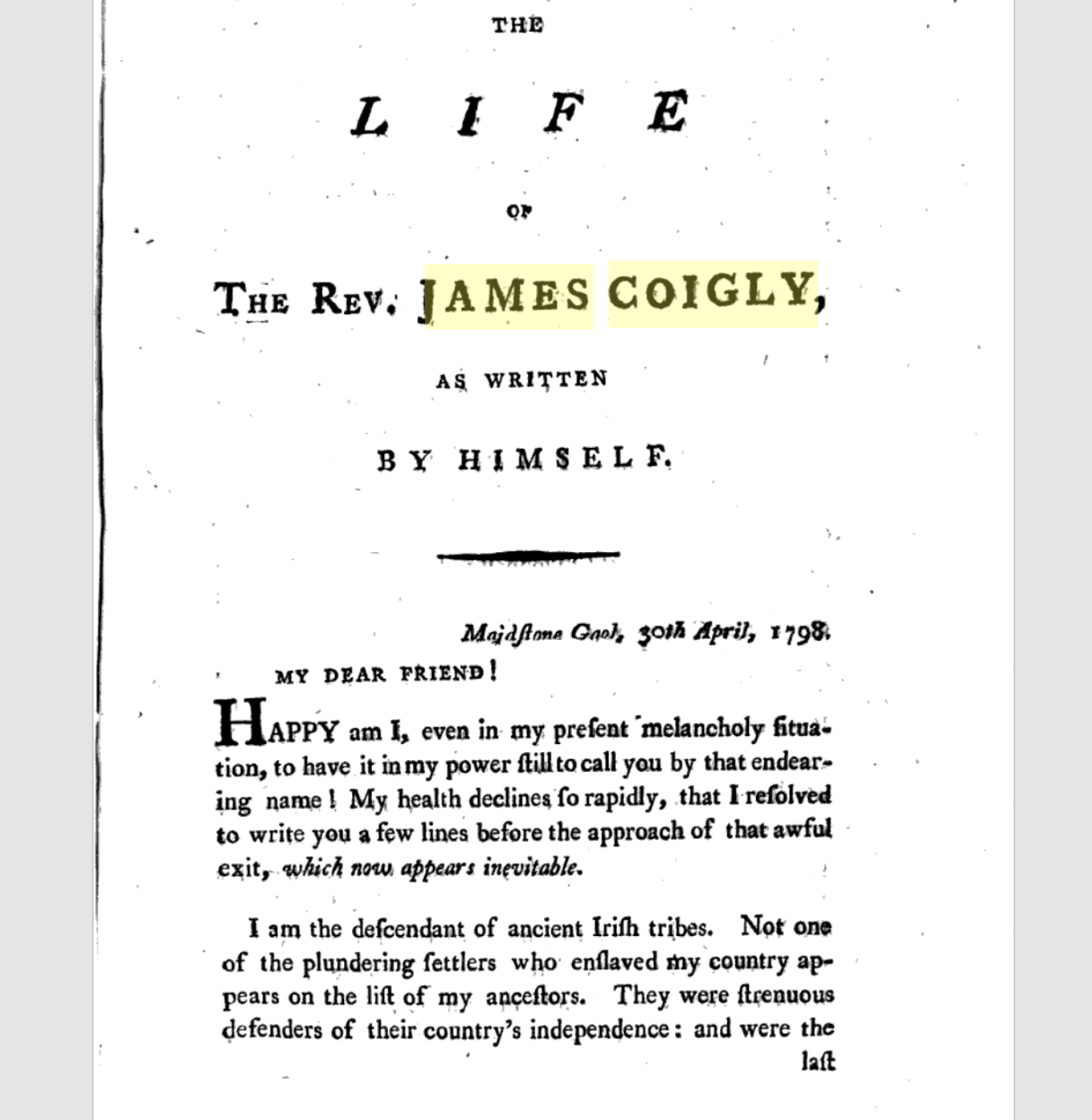
But elsewhere in his autobiography Fr Coigly praises the descendants of the same lot of “plundering settlers.”
Commenting on his political activities in Antrim and Londonderry in the early 1790s he says:
“My success would have been comparatively trifling, had it not been for the spirited exertions of that truly respectable, virtuous, and enlightened body, the Dissenters of the county of Antrim, but chiefly and in particular those of Belfast.”
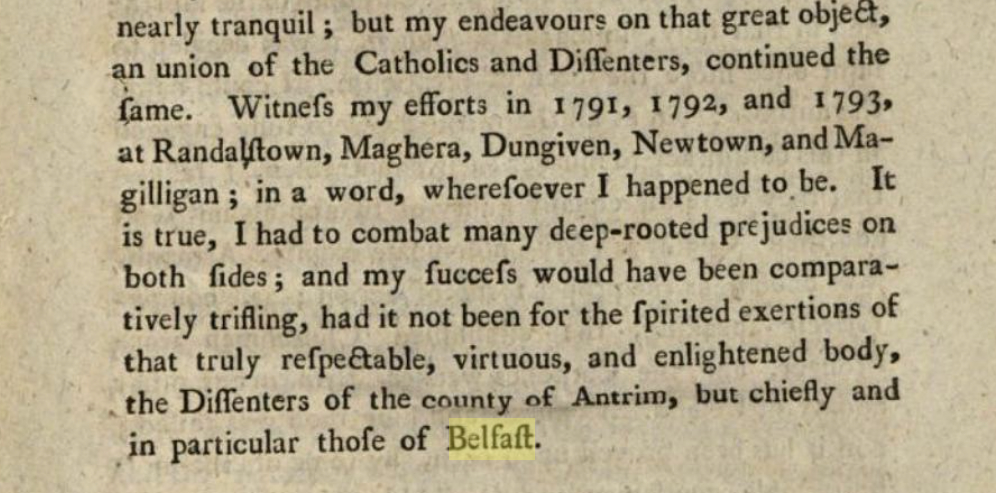
“Truly respectable, virtuous, and enlightened,” now isn’t that a turnaround in his attitude to this same tribe of “plunderers”.
Disingenuous? Hypocrisy? No! That’s not my feeling of his tone.
Mad times that they were, I think both extremes of sentiment were sincerely felt!
There is of course a politically understandable lack of reference to the mode of arrival of these Dissenters (and others from Great Britain) in Ireland in the polemic of the United Irishmen, whose central platform was the political alliance between Catholics and Dissenters.
But it must have been a massive elephant in the room.
The duality displayed by Fr Coigly remains a feature of Irish nationalist/republican response to the Ulster-Scots Presbyterians, Protestants and unionists to this day.
Singing the virtues of the Dissenters of Belfast, was a warm and sincere reflection of one man’s individual experience.
The “plundering settler” narrative is something else, something collective, something deeper.
It takes modern form in the post colonial narrative of the sort wielded by Republic or Ireland President Michael D Higgins in his recent newspaper articles and Machnamh event.
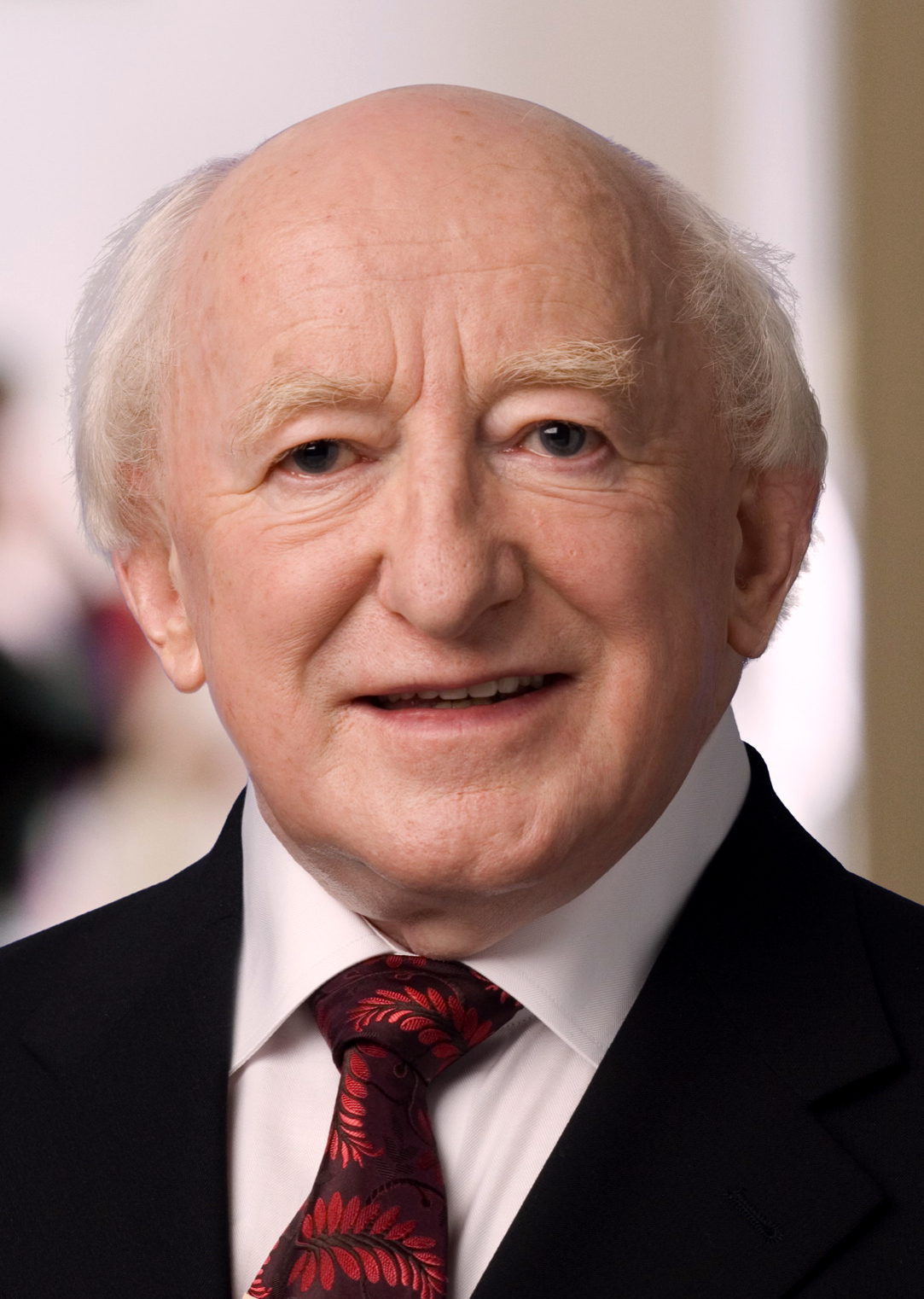
MD Higgins is equally adept at the other side of the coin, the reconciling language of the peace process.
Both sorts of narrative, despite the paradox, sit remarkably well within the nationalist psyche.
They shouldn’t!
The darker narrative in many ways serves to stunt and keep superficial and expedient the narrative of reconciliation, with the need to express outrage so often seeming to transcend the need to reconcile.
In future, people of PUL, British, or certain types of Ulster-Scots identity will have to be allowed to assert their sense of collective heritage freely, in all its historical, nationalistic duality and philosophical complexity, “plundering settler” narratives though they ultimately are.
Minority rights and protections though the language of Human Rights will be needed; for those of us wishing to assert alternatives, especially alternatives to the “long centuries of oppression” narratives; the core of modern Irish identity for an increasing number of people.
There is no doubt about that!
 Opinions creatively
Leave a comment